Wilton teams up with VA Classic Cruisers at Clover Hill High School
wiltonconstruc • April 24, 2019
Our Wilton family donated a Wilton decorated Yeti Cooler for silent Auction to help raise over $500 for The Lonesome Dove Equestrian Center . We had a blast, and loved getting to admire over 200 antique cars for this awesome event!


The post Wilton teams up with VA Classic Cruisers at Clover Hill High School appeared first on Wilton Construction.
You might also like
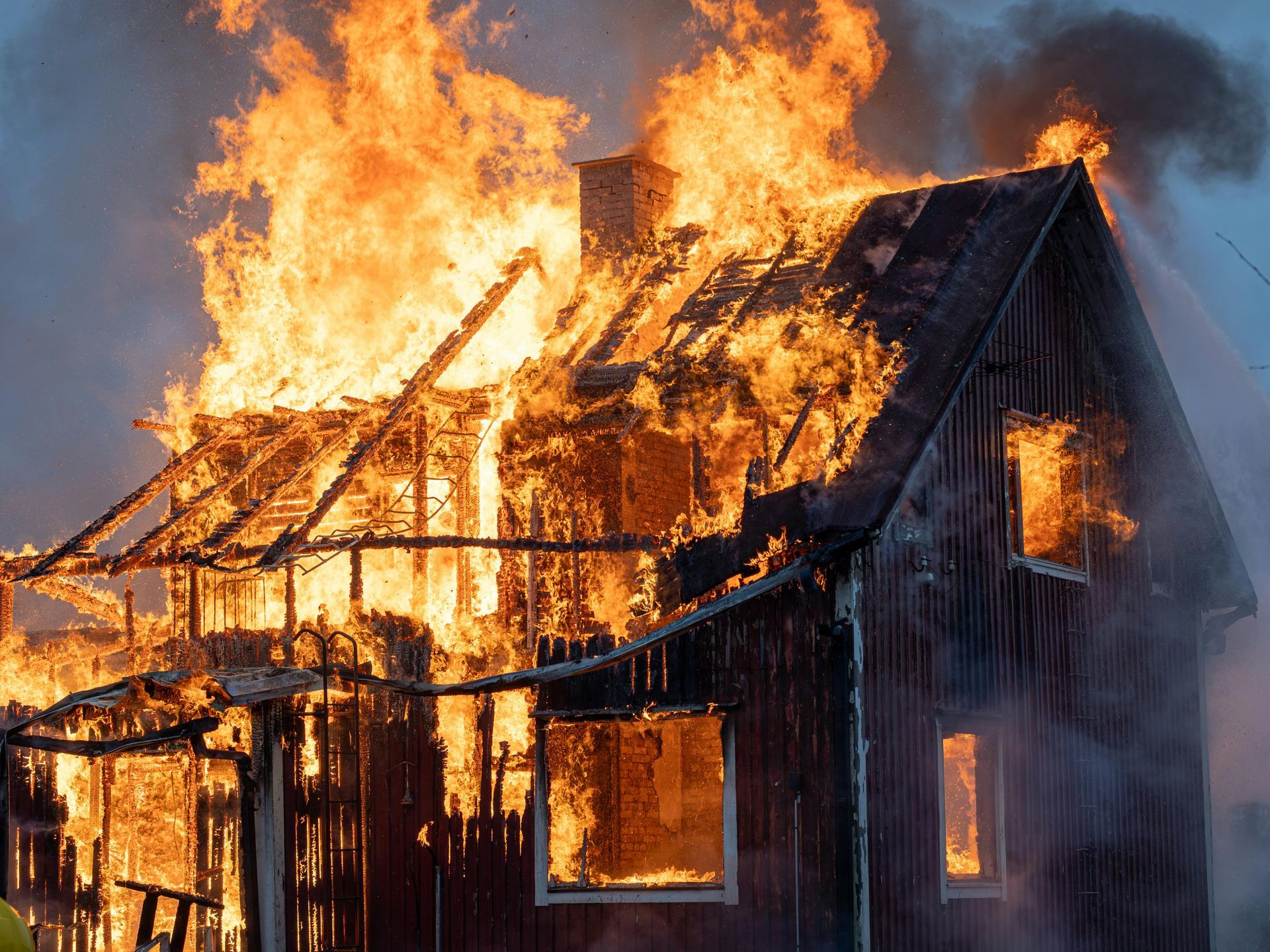
When a fire impacts your home or business, getting fast, professional answers is the first step toward recovery. As Richmond’s trusted restoration experts since 1983, Wilton Construction is here to guide you through the process. What should I do immediately after a house fire? Once the fire department declares the property safe to enter, call a professional restoration company. Do not attempt to clean soot or smoke damage yourself, as improper handling can permanently stain surfaces or spread toxins. How long does the fire restoration process take? The timeline depends on the severity of the damage. A small kitchen fire may take a few weeks to deodorize and repair, while major structural damage can take several months. Wilton Construction provides a detailed project timeline after our initial inspection. Can smoke odor be completely removed? Yes. We use industrial-grade air scrubbers, thermal fogging, and ozone treatment to neutralize odor molecules at the source rather than just masking them. This ensures your home smells fresh and is safe to breathe in. Does Wilton Construction work with my insurance company? Yes. We have decades of experience working with all major insurance carriers in the Greater Richmond area . We provide the necessary documentation, photos, and estimates to help your claims process move as smoothly as possible. Why choose Wilton Construction for fire damage restoration service in Richmond, VA? 24/7 Emergency Service: We offer immediate board-up and roof tarping to secure your property. Full-Service Licensed Contractor: We don’t just clean; we are Class A contractors who can handle everything from soot removal to total structural reconstruction. Local Expertise: We’ve proudly served Richmond, Midlothian, Chesterfield, and Powhatan for over 40 years. Need Emergency Fire Restoration in Richmond? Whether you need fire, storm, or water damage restoration service in Powhatan County, VA , contact Wilton Construction 24/7 at 804-794-4362 to start your recovery today.
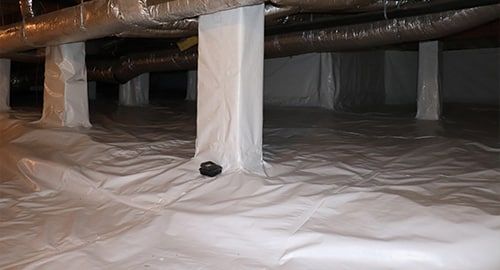
When a problem is out of sight, it shouldn’t be out of mind. In Central Virginia, hidden environmental hazards can compromise your home’s air quality and structural safety. Below are common questions we receive at Wilton Construction regarding specialized restoration. What are the signs of a moisture problem in my crawl space? The most common signs include musty odors in the home, cupping or warping hardwood floors, high indoor humidity, and visible mold on floor joists. In the Richmond area’s humid climate, if your crawl space isn’t sealed, moisture is likely migrating into your living structure through the "stack effect." What is the difference between crawl space "insulation" and "encapsulation"? Traditional insulation (fiberglass batts) often traps moisture and sags over time. Crawl space encapsulation involves lining the entire space with a heavy-duty vapor barrier, sealing vents, and installing a dehumidifier. This creates a conditioned, bone-dry environment that prevents wood rot and improves your home's energy efficiency. How does a damp crawl space affect my family's health? Up to 50% of the air on the first floor of your home originates in your crawl space. If that space has mold or high humidity, your family is breathing in spores and allergens. Proper moisture control and encapsulation are essential for maintaining healthy indoor air quality (IAQ). Does Wilton Construction handle hoarding cleanup and odors? Yes, we provide discreet hoarding remediation and professional odor removal. We use advanced technology like hydroxyl generators and thermal fogging to neutralize deep-set odors rather than just masking them with scents. Why is Wilton the best choice for specialized cleanup in Central Virginia? Unlike general cleaning companies, Wilton Construction is a licensed Class A Contractor. We don't just clean the surface; we have the structural expertise to repair the underlying damage, whether it's replacing rotted floor joists or performing full-scale reconstruction after a trauma. Restore Your Peace of Mind Today Don’t let a hidden moisture issue or a sensitive cleanup situation become a long-term liability for your property. If you need an expert crawl space inspection, our fire and water damage restoration service in Powhatan County, VA is ready to provide the professional, discreet, and thorough service you deserve. Call our 24/7 emergency line at 804-794-4362 right now or visit our Contact Page to schedule a professional assessment with Richmond's most trusted restoration team.
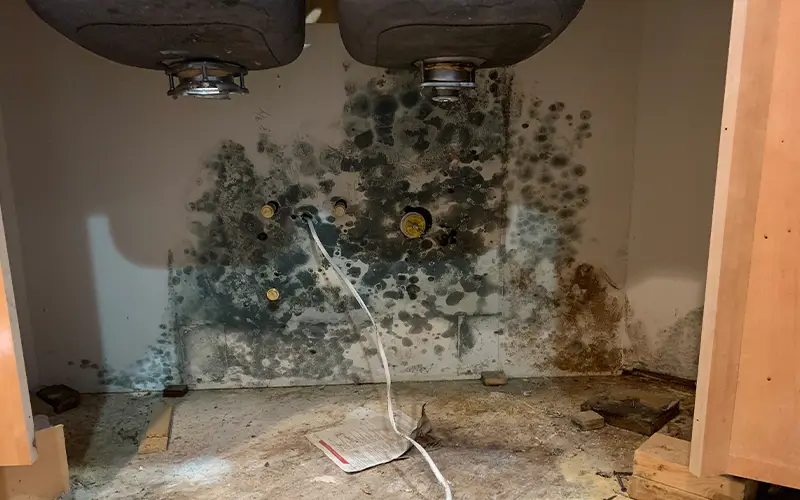
Water damage spreads quickly, and delays can increase repair costs. If your home or business experiences water damage in the greater Richmond area, it is vital to follow the correct steps immediately to limit structural damage and reduce the risk of mold. Step 1: Check for Safety Hazards If water is near outlets, appliances, or wiring, do not enter flooded areas until the electricity is shut off. Standing water combined with electricity can be dangerous. If visible structural damage is present, wait for a professional inspection before entering the space. Step 2: Stop the Water Source Shut off the main water supply if the damage is caused by plumbing or an appliance. If water is entering from outside, such as storm flooding, focus on preventing additional water intrusion where possible. Step 3: Document All Damage Take clear photos and videos of affected rooms, flooring, walls, ceilings, and personal belongings. Proper documentation supports insurance claims and establishes the condition of the property before restoration begins. Step 4: Contact Your Insurance Provider Report the water damage as soon as possible. Ask about coverage, required documentation, and next steps. Avoid permanent repairs until the claim has been documented or approved by your insurance provider. Step 5: Remove Surface Water (If Safe) If conditions allow, remove excess water using towels, mops, or a wet vacuum. This only reduces surface moisture and does not replace professional drying or moisture detection. Step 6: Call a Water Damage Restoration Professional Water often spreads behind walls, under flooring, and into insulation. Professional water damage restoration companies utilize specialized moisture detection tools and commercial-grade drying equipment to prevent mold growth and minimize structural damage. How Long Can You Wait After Water Damage? Mold can begin growing within 24 to 48 hours. Materials such as drywall, wood, and insulation can deteriorate quickly if moisture is not properly removed. Immediate restoration reduces long-term damage and repair costs. When to Call Wilton Construction Wilton Construction offers professional Water Damage Restoration Service in Powhatan County, VA , and its surrounding areas, including Richmond, Midlothian, Chesterfield, Henrico, Hanover, Goochland, Petersburg, Hopewell, Colonial Heights, Amelia, and Cumberland. Moreover, Wilton Construction’s water damage services include moisture detection, structural drying, cleanup, and repairs. Our team works directly with insurance companies to streamline the restoration process. Water Damage Restoration in Richmond, VA If you experience water damage, taking immediate action is critical. Following these steps and contacting an experienced restoration company can protect your property and prevent further damage. For water damage restoration in the greater Richmond area, contact Wilton Construction today to schedule an inspection!